68948d2818a72.png)
Best Hair Extension Techniques for Thin Hair
Posted Date : December 12, 2025
Finding the right hair extensions for thin hair can really boost your confidence. They instantly add the volume and fullness you've always wanted.
However, in 2026, you can't just grab any extensions. If your hair is fine or fragile, you need methods that are lightweight, super gentle, and installed by a pro. Why? Because the wrong choice can cause breakage. This article is your guide to the best extensions for fine hair, covering the safest methods, the newest hair extension trends 2026, and all the expert advice you need.
Read till the end, and you'll learn which methods add the most volume without putting any strain on your hair, which types you should totally avoid, and why booking a professional consultation is non-negotiable for keeping your hair healthy for a long time..
Understanding Thin & Fine Hair: What You Need to Know Before Choosing Extensions
If you have thin or fine hair, it's just going to behave totally differently than thicker hair when you add extensions. To be clear, "thin" means you have fewer strands overall (low density), while "fine" means each strand is naturally super delicate. That combination makes your hair much more prone to breaking under weight, and it's way more likely that the extension tracks will show through if the method isn't right.
Why Thin Hair Needs Special Extension Methods
Your thin hair simply cannot support anything heavy or high-tension. It needs specific solutions: incredibly lightweight extensions, gentle adhesives, flat bases, and methods designed to distribute weight softly across your scalp. If you ignore these rules, your extensions can slip out, the attachment points will be visible, or, worst of all, you could end up weakening your natural hair right at the root.
Common Problems People Face With Thin Hair Extensions
Many people with fine hair experience visible tracks, discomfort from heavy wefts, breakage around the adhesive tabs, or extensions slipping faster than expected. A safe extension for thinning hair must balance volume with minimal tension, and this balance becomes the foundation for choosing the right method.
Best Hair Extension Methods for Thin Hair in 2026
Thanks to advancements in technology, 2026 offers more refined, gentler, and more invisible extension options than ever before.
Tape-In Hair Extensions for Thin Hair
Tape-ins remain the best hair extensions for fine hair because of their flat shape, natural appearance, and ability to distribute weight evenly. They lie flush against the scalp, blend effortlessly, and offer volume without tugging on delicate roots. They remain reusable and provide one of the most seamless blends for women with thin hair.
The latest ultra-thin tape tabs are 70% lighter than older versions and use improved reusable adhesives that grip securely without stressing the roots. This means longer wear, fewer slips, and less damage for women with thinning hair.
Halo Hair Extensions for Fine & Fragile Hair
Halo extensions remain the safest extension for thinning hair in 2026.
Best for beginners and zero damage: The lightweight halo band sits comfortably on the head instead of attaching to strands, making it ideal for extremely fragile or breakage-prone hair.
Ideal for occasional use: It’s perfect for women who want instant volume without long-term commitment. Daily wear is possible, as it is quick and easy to apply.
Hand-Tied Wefts for Thin Hair (2026 Edition)
Hand-tied wefts have evolved tremendously, becoming a viable option for some thin-haired clients. When installed correctly, the tiny, discreet beads and thin wefts create a soft, flexible base that lies flat even on fine hair. They work best for women with thin hair but not severe thinning. Modern micro-wefts are lighter, breathable, and designed to minimize tension while giving a fuller yet natural finish.
Clip-In Extensions for Thin Hair: What to Choose in 2026
Standard clip-ins are tough on thin hair. They often pull and create visible bumps. Those heavy, multi-piece sets can peek right through fine hair and cause breakage. Luckily, brands are now making "ultra-seamless" options with tiny clips and featherlight, single-weft pieces that just disappear into your hair.
Hair Extension Trends for Thin Hair in 2026
2026 will have new trends focusing on comfort, invisibility, and scalp health.
Rise of Ultra-Lightweight Extensions: Manufacturers prioritize thinner wefts, weightless fibers, and soft adhesives. This ensures extensions never overpower delicate hair.
The Popularity of Invisible Blending Techniques: Stylists use micro-rooting, multi-tonal blends, and fine-textured wefts to create extensions that blend seamlessly into thin hair, even in bright light.
Eco-Friendly & Heat-Free Extensions in 2026: With a rise in conscious beauty, women with thin hair prefer heat-free installation methods, reusable wefts, and sustainably sourced human hair.
How to Choose the Best Extensions for Your Thin Hair
Selecting the best method for thin hair 2026 requires understanding what your strands can safely support.
Weight, Density & Length Guidelines for Thin Hair: Extensions should always be lighter than your natural density. Shorter lengths are easier to blend and put less stress on the roots. Breakage may result from excessive length or weight.
Choosing the Right Colour for Seamless Blending: Thin hair easily shows lines and contrast, making colour matching crucial. Multi-dimensional shades and soft-rooted tones help achieve a flawless finish.
Common Mistakes to Avoid When Selecting Extensions: Opting for heavy clip-ins, neglecting maintenance requirements, or picking lengthy wefts that overpower your natural hair often results in damage and noticeable tracks.
Maintenance Tips for Extensions on Thin Hair
Even lightweight extensions need proper care to keep your hair healthy.
Daily Care Routine for Fine Hair Extensions: Gentle brushing, minimal pulling, and sulfate-free products help your natural hair stay strong. Lightweight leave-in conditioners maintain the softness of the wefts.
Preventing Breakage & Hair Fall While Wearing Extensions: Avoid tight hairstyles, aggressive brushing, or over-washing. To reduce tension, always provide support for the roots when brushing.
Signs Your Extensions Are Too Heavy for Your Thin Hair: You need shorter or lighter extensions if you have visible tension lines, slipping tapes, breakage around the roots, and scalp soreness.
Why Professional Consultation Matters for Thin Hair Extensions
Thin hair requires expert assessment and precision.
Risks of DIY or Non-Professional Installation: Incorrect placement, poor weight selection, and improper sectioning can significantly weaken your hair. Fine strands cannot tolerate tension errors.
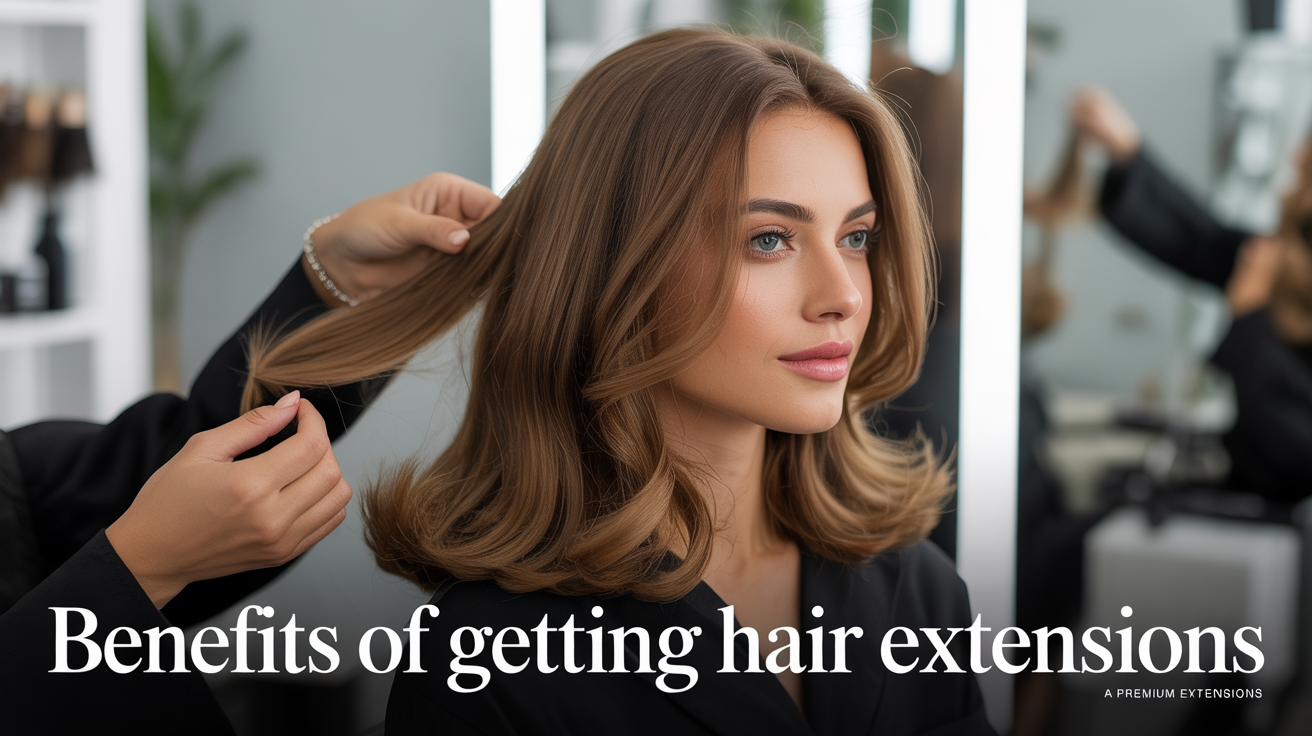
Benefits of Getting Extensions Fixed by an Expert: A stylist guarantees personalized mapping, accurate density alignment, and secure positioning. Experts utilize lightweight extensions tailored for fine or delicate hair and know how to balance tension to protect your natural strands.
Why Choose Hairs Culture for Thin Hair Extensions in 2026?
Expert Consultation for Thin & Fine Hair: Our professionals evaluate your hair thickness, scalp condition, and individual styling objectives to suggest the safest and most appealing extension technique.
Wide Range of Lightweight & Natural Extensions: From ultra-thin tapes to invisible halos and modern hand-tied wefts, every product is chosen for comfort and seamless blending.
Exceptional Client Results & Natural Blending: We focus on realistic volume-boosting extensions that match your natural hair without overwhelming it.
Safe, Gentle & Professional Installation: Every installation follows a strict low-tension method to protect your hair as it grows.
For extensions that blend perfectly with your thin hair, Hairs Culture is the ultimate choice. Schedule an appointment with Hairs Culture today and let us show you the amazing change the perfect extensions can create!

OUR BRANCHES
Abu Dhabi
1402-5A, Al Saman Tower A, Hamdan Bin Mohammed St, 601, Al Danah, Abu Dhabi 22208
Mob: +971 52 537 9516
Cochin
3rd Floor, Panorama House, Subash Chandra Bose road, Kadavanthra P.O, Kerala-682020, India
Mob: +91 98469 45333
Calicut
Door # 5/1539 A Krisha Arcade, Jawahar Colony Road, Ashokapuram, Calicut, Kerala-682036, India
Mob: +91 98469 45333
Quilon
1st Floor, Kailash Diabetic Centre, Aanjili Road, Quilon, Kerala-691001, India
Mob: +91 98469 45333
Thrissur
Kingsway Building, C Achutha Menon Rd, Punkunnam, Thrissur, Kerala-680020
Mob: +91 98469 45333
Qatar
Ground floor, Room 02, Ezdan Building # B-1, 4 C Ring Road, Zone:27, Street:230, Baladiya Building:78, Umm Ghuwailina, Doha, Qatar
Mob: +974 3319 5277
Trivandrum
3rd Floor, CPS Plaza,NH Bypass, Venpalavattom, P.O,Anayara, Thiruvananthapuram, Kerala 695029
Mob: +91 95443 33884


▲